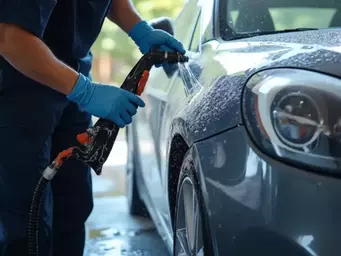

A pre-sale clean works best when the requested result is clear. Freshly cleaned glass and a tidy cabin may be the priority, while a marked trim panel needs an honest description rather than an expectation that washing will repair it. A short brief helps keep those different needs from becoming one vague request to make the vehicle look new.
Describe the vehicle as it is, identify the areas you want cleaned and ask the provider to explain the suitable scope. Keep presentation connected to accurate condition information. The aim is a clean, readable view of the vehicle, with known wear and unresolved concerns still described properly.
Set the purpose before choosing a package
If you plan to sell your motorcycle, the same principle of clear presentation can help with the buyer enquiry. Ask a suitable provider whether it handles the particular motorcycle and its finishes; do not assume that a car-wash package or car-cleaning method applies. Cleaning should support a truthful description without implying a mechanical assessment or a guaranteed sale result.
For a car, decide whether the immediate purpose is listing photographs, a viewing or ordinary preparation before an assessment. Tell the provider which one matters. A request for a tidy cabin and clean exterior is different from a proposal for paint correction or a specialist surface treatment.
Choose priorities that match the actual vehicle. An everyday hatchback with a dusty cabin does not need to be described as a full restoration project. Equally, a visible stain or damaged surface should be raised before booking rather than left for the provider to discover under an all-inclusive expectation.
Describe the starting condition
Give the provider the vehicle details it requests and a concise account of the areas of concern. Mention known marks, delicate or unusual finishes, existing damage and relevant previous treatments where you have reliable information. If you are uncertain about a finish or treatment, state that uncertainty.
The pre-service condition documentation guide discusses recording visible condition before detailing begins. For an owner, the useful principle is to make known concerns clear at the start. Agree with the provider how those areas will be identified and recorded rather than assuming that every mark can be removed.
Use ordinary location descriptions. A scuff on the lower passenger-side door trim is more useful than a request to fix the interior. Where a photograph helps explain a concern, connect the detail to its position and keep unrelated personal information out of the frame.
Do not diagnose a surface problem from appearance alone. A provider may need to inspect it before recommending a suitable approach. Keep that assessment question separate from the cleaning tasks you already understand and want included.
Define the areas included in the clean
Ask for the proposed areas and tasks to be listed clearly. Depending on the service and vehicle, the discussion may include exterior washing, glass, cabin cleaning, mats, cargo space or other specifically agreed areas. Do not assume those items are included merely because a package uses the word complete.
The guide to choosing a car detailing package offers broader package context. Compare the actual scope offered for your vehicle. A package name alone does not explain the methods, exclusions or limitations that matter to the booking.
Identify what is outside the request too. Mechanical work, replacement trim, paint repair and specialist treatment should not be silently added to a general clean. If the provider recommends another service, ask for its scope and suitability to be explained before deciding whether to proceed.
Keep the brief short enough to use. A clear list of priorities and known concerns is more practical than a long collection of online cleaning instructions. Let the provider assess the appropriate method for the actual surfaces and follow the relevant vehicle and product guidance.
Separate cleaning from repair
Cleaning can make the vehicle easier to view, but it should not change what you claim about its condition. The pre-sale detailing guide distinguishes detailing from mechanical repair and from reversing every worn or damaged surface. Treat those limitations as part of the scope discussion.
If a mark remains after the agreed clean, keep it visible in your description and photographs where relevant. Do not call a component repaired because it looks brighter or less dusty. Similarly, a neutral-smelling cabin is not evidence that an underlying issue has been diagnosed or resolved.
Ask the provider to explain any proposed correction or treatment separately from the basic cleaning work. Clarify what outcome is realistic for the area and what may remain. Avoid accepting a general like-new promise in place of an explanation of the actual task.
Do not use cleaning to conceal a known issue from a buyer. A truthful presentation includes both the improved cleanliness and the remaining condition facts. It should help another person understand the vehicle rather than make a concern harder to notice.
Sort belongings before the appointment
Review ordinary personal belongings before handing the vehicle over. Remove unrelated documents, valuables and loose items where this can be done safely and without disturbing fitted equipment. Check the areas you normally use, such as storage pockets and cargo space, rather than assuming the cabin is empty because the seats look tidy.
Keep sale inclusions separate from personal belongings. A loose accessory intended to accompany the vehicle should have a clear place in your inclusion list. If it is temporarily removed for cleaning, record that so it is not forgotten or confused with something excluded from the sale.
Do not remove fitted safety equipment or dismantle vehicle components just to make cleaning access easier. Ask the provider what preparation it requires and what should remain in place. Where an item needs specialist handling, keep that outside an improvised pre-appointment tidy-up.
Protect private information in the material you share. A photograph sent to explain a cabin stain should not accidentally include readable personal paperwork. Review the whole image and supply only the information needed for the enquiry.
Ask focused questions before booking
Confirm that the provider handles the vehicle type, relevant finishes and requested scope. Ask which concerns need an inspection before a firm recommendation can be made. A useful response should connect the proposed work to the actual vehicle rather than repeat a generic package description.
The discussion of choosing a hand car-wash service provides additional selection context. For your booking, confirm the details directly: what is included, what is excluded, what information is needed and how changes to the scope will be discussed.
Ask about timing and collection requirements for the particular service. Do not schedule photographs or a viewing on the assumption that every type of cleaning has the same completion or drying time. Let the confirmed arrangement shape the rest of the plan.
Keep the agreed scope and any subsequent changes together. If the provider finds an issue that changes the recommendation, ask for it to be explained before authorising additional work. The brief should remain an account of what was agreed, rather than a record of what you hoped a package might include.
Plan photographs around the actual result
Take listing photographs of the real vehicle after the agreed work is completed and the provider's relevant collection instructions have been followed. Use current images and keep known condition details easy to locate. Avoid combining old flattering photographs with new detail shots without explaining the dates.
Photograph the vehicle in suitable light and from safe positions. The purpose is a readable account of the subject, rather than a dramatic effect that hides wear in reflections or shadow. Keep the condition description beside the gallery so the images and words tell the same story.
Preserve original photographs when preparing sharing copies. Avoid filters or retouching that change the apparent surface condition, and do not substitute a generated vehicle image for the actual vehicle being offered. An illustrative blog photograph and a sale photograph serve different purposes.
If a buyer asks for a clearer view, respond to that specific question where it is safe and appropriate. Do not treat the initial gallery as proof of mechanical condition or a reason to dismiss further assessment requirements.
Review the completed scope at collection
Check the completed work against the agreed brief with the provider. Ask about any remaining marks, areas not treated or changes to the scope. Keep the explanation factual so your later description does not imply that excluded or unresolved work was completed.
Confirm the return of the keys and the belongings that were part of the handover. The article on car security after detailing provides related context for keeping access arrangements clear. For your booking, record what was handed over and what was returned without assuming that cleaning verifies every key or lock function.
Retain the service record where it helps explain what was done. A cleaning invoice documents its stated work; it does not replace a mechanical inspection or establish the vehicle's full history. Keep those records and claims distinct.
A fictional hatchback brief
Imagine an owner preparing a hatchback with a dusty cabin, a visible mark on a door-trim panel and several personal items in the cargo area. The initial request says make it sale-ready. That wording leaves the cleaning priorities unclear and may imply that the marked trim should become unmarked.
The revised brief asks for the proposed cabin and exterior cleaning scope, identifies the trim mark for assessment and explains that the owner will remove unrelated belongings first. The provider is asked what can reasonably be addressed and what may remain. The owner plans photographs after confirmed completion rather than promising a same-day viewing before the booking is assessed.
If the trim mark remains, it stays in the vehicle's description. The clean has improved presentation while the condition account remains accurate. The brief has helped define the work without turning it into an unsupported repair or resale-value promise.
Let clear scope support honest presentation
A useful pre-sale cleaning brief describes the vehicle, identifies known concerns and sets out the work being requested. It keeps package names, cleaning outcomes and repair decisions separate enough for everyone to understand the agreement.
Prepare the priorities before booking, confirm the scope with the provider and review the actual result before photographing or describing it. Clean presentation is most useful when it remains connected to a clear, truthful account of the vehicle.