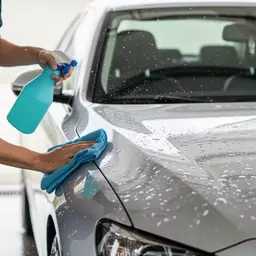

A focused plan for car security after detailing helps drivers collect a vehicle after cleaning or detailing, respond to misplaced keys, wet remotes or unnoticed central-locking faults after service. Car security after detailing starts with accounting for every key and testing door, boot and ignition functions before water exposure or a handover dispute becomes harder to trace. First understand what failed, because an urgent decision can create extra damage, delay or uncertainty.
For this car security after detailing assessment, use a hand-wash, detailing bay or vehicle collection area as the working context. Identify working functions, preserve usable keys, and note the first symptom. This record separates observations from assumptions and supports this goal: verify custody and every access function before the vehicle departs.
Within a hand-wash, detailing bay or vehicle collection area, auto locksmith St Kilda is the specified local service reference for this guide. The correct response can be difficult to choose when the situation involves misplaced keys, wet remotes or unnoticed central-locking faults after service. Confirm coverage, authority and the agreed scope before work begins.
Key Custody Receipt: Establish the Starting Condition
For drivers collecting a vehicle after cleaning or detailing, begin by documenting the status of the key custody receipt within a hand-wash, detailing bay or vehicle collection area. Record who reviewed the key custody receipt status, when the review occurred and what outcome followed. Capture the key custody receipt baseline before changing equipment or access arrangements. Record responsibility for the next key custody receipt step separately.
A factual account shows whether the reported situation continues, recurs or is unrelated to this checkpoint. In the key custody receipt notes, describe visible conditions and reported events without assigning an untested cause. Keep identifying details private while making the key custody receipt record available to an authorised provider. This evidence supports one clear goal: verify custody and every access function before the vehicle departs.
Compare the key custody receipt result with the status of the wet remote housing before moving forward. During this comparison, change only one condition so the wet remote housing result remains useful. Note who held each key or access device during the key custody receipt review and whether the same outcome occurred twice.
For drivers collecting a vehicle after cleaning or detailing, a repeatable key custody receipt record is more reliable than one successful attempt. It helps prevent leaving with a damaged fob, unlocked door or missing spare and gives a responder an accurate starting point within a hand-wash, detailing bay or vehicle collection area.
Wet Remote Housing: Test It Without Creating Another Fault
Treat the wet remote housing result as a controlled checkpoint for drivers collecting a vehicle after cleaning or detailing. Before the wet remote housing step, secure nearby property and confirm who may handle the relevant key, vehicle or access record. Complete the normal wet remote housing procedure once, without improvised tools or repeated commands.
Write the response in the wet remote housing record together with the conditions under which it occurred. If the wet remote housing step cannot be completed safely, stop and preserve the current state. That approach provides useful evidence about misplaced keys, wet remotes or unnoticed central-locking faults after service without creating a second issue.
Review the door latch test while the wet remote housing outcome is still clear. Keep keys, covers, batteries and documents from the wet remote housing check with the correct vehicle or property. Label any item removed during the wet remote housing check so it cannot mix with luggage or personal belongings.
Complete the door latch test comparison before changing another condition. This controlled sequence helps prevent leaving with a damaged fob, unlocked door or missing spare and gives everyone involved a clearer handover. For drivers collecting a vehicle after cleaning or detailing, the practical goal is to verify custody and every access function before the vehicle departs.
Door Latch Test: Decide What the Result Means
Within a hand-wash, detailing bay or vehicle collection area, interpret the door latch test result alongside the other access and safety checks. Decide whether this result changes access, starting, locking, timing, custody or authority. A completed door latch test record does not prove that a physical key works.
Likewise, a working mechanical blade does not confirm every electronic function linked to the door latch test. Keep those functions separate before ordering parts or approving changes to a lock, ignition or programming. This door latch test distinction matters when the reported problem is misplaced keys, wet remotes or unnoticed central-locking faults after service.
Use the boot release function as the comparison point for the door latch test. Photograph any warning, visible damage or location detail associated with the door latch test for a private service record. Do not share identifying information from the door latch test check publicly. Describe the order of events and the observed door latch test outcome instead of naming a failed component without evidence.
Clear language about the door latch test helps drivers collecting a vehicle after cleaning or detailing prevent leaving with a damaged fob, unlocked door or missing spare. It keeps the next decision within a hand-wash, detailing bay or vehicle collection area focused on this goal: verify custody and every access function before the vehicle departs.
Boot Release Function: Build It Into the Recovery Plan
Add the boot release function checkpoint to the written recovery plan for drivers collecting a vehicle after cleaning or detailing, rather than relying on memory during an urgent situation. Within a hand-wash, detailing bay or vehicle collection area, assign responsibility for the boot release function checkpoint and decide where its record belongs.
Define when the boot release function result requires outside help. The instruction for the boot release function should remain usable if a phone battery runs low, the weather changes or the usual key holder is absent. Planning for the boot release function outcome helps prevent leaving with a damaged fob, unlocked door or missing spare.
Connect the boot release function step with the spare fob location so another authorised person can follow the sequence. Keep the boot release function instruction short, specify its expected outcome and test it under normal conditions. Review the boot release function plan after every repair, handover or replacement.
An up-to-date procedure prevents old assumptions from obscuring a new instance of misplaced keys, wet remotes or unnoticed central-locking faults after service. For drivers collecting a vehicle after cleaning or detailing working within a hand-wash, detailing bay or vehicle collection area, the connection between the boot release function and the spare fob location helps achieve the intended result: verify custody and every access function before the vehicle departs.
Spare Fob Location: Establish the Starting Condition
For drivers collecting a vehicle after cleaning or detailing, begin by documenting the status of the spare fob location within a hand-wash, detailing bay or vehicle collection area. Record who reviewed the spare fob location status, when the review occurred and what outcome followed. Capture the spare fob location baseline before changing equipment or access arrangements. Record responsibility for the next spare fob location step separately.
A factual account shows whether the reported situation continues, recurs or is unrelated to this checkpoint. In the spare fob location notes, describe visible conditions and reported events without assigning an untested cause. Keep identifying details private while making the spare fob location record available to an authorised provider. This evidence supports one clear goal: verify custody and every access function before the vehicle departs.
Compare the spare fob location result with the status of the interior key search before moving forward. During this comparison, change only one condition so the interior key search result remains useful. Note who held each key or access device during the spare fob location review and whether the same outcome occurred twice.
For drivers collecting a vehicle after cleaning or detailing, a repeatable spare fob location record is more reliable than one successful attempt. It helps prevent leaving with a damaged fob, unlocked door or missing spare and gives a responder an accurate starting point within a hand-wash, detailing bay or vehicle collection area.
Related Service Information
Review automotive locksmith information when that part of the situation applies. Review replacement key costs when that part of the situation applies. Review contact us when that part of the situation applies.
Final Decision Checklist
A clear process for car security after detailing helps drivers collecting a vehicle after cleaning or detailing use observations instead of guesses. Confirm the location, secure the immediate area, test one function at a time and keep the spare separate. Retain failed parts and service records until the result has been verified.
If the evidence still points to misplaced keys, wet remotes or unnoticed central-locking faults after service, choose a provider who can explain the proposed work and verify authority before entry or programming. The completed result should meet this goal: verify custody and every access function before the vehicle departs. No unresolved warning, untested key or unclear handover should remain.